WebAssembly (WASM) Complete Guide 2026 — Next-Generation Web Technology for Running C and Rust Code at Native Speed in the Browser

📸 Understanding Web Assembly Architecture | by Batuhan Sancak ...
What is WebAssembly (WASM)?
WebAssembly (hereafter Wasm) has become the most talked-about low-level binary instruction format in the web development ecosystem as of 2026, since being adopted as an official W3C standard in 2019. It overcomes the limitations of traditional JavaScript and enables code written in C, C++, and Rust to run at near-native speeds within the browser. It delivers particularly powerful performance in areas requiring heavy computation, such as gaming, video editing, 3D modeling, and AI inference.
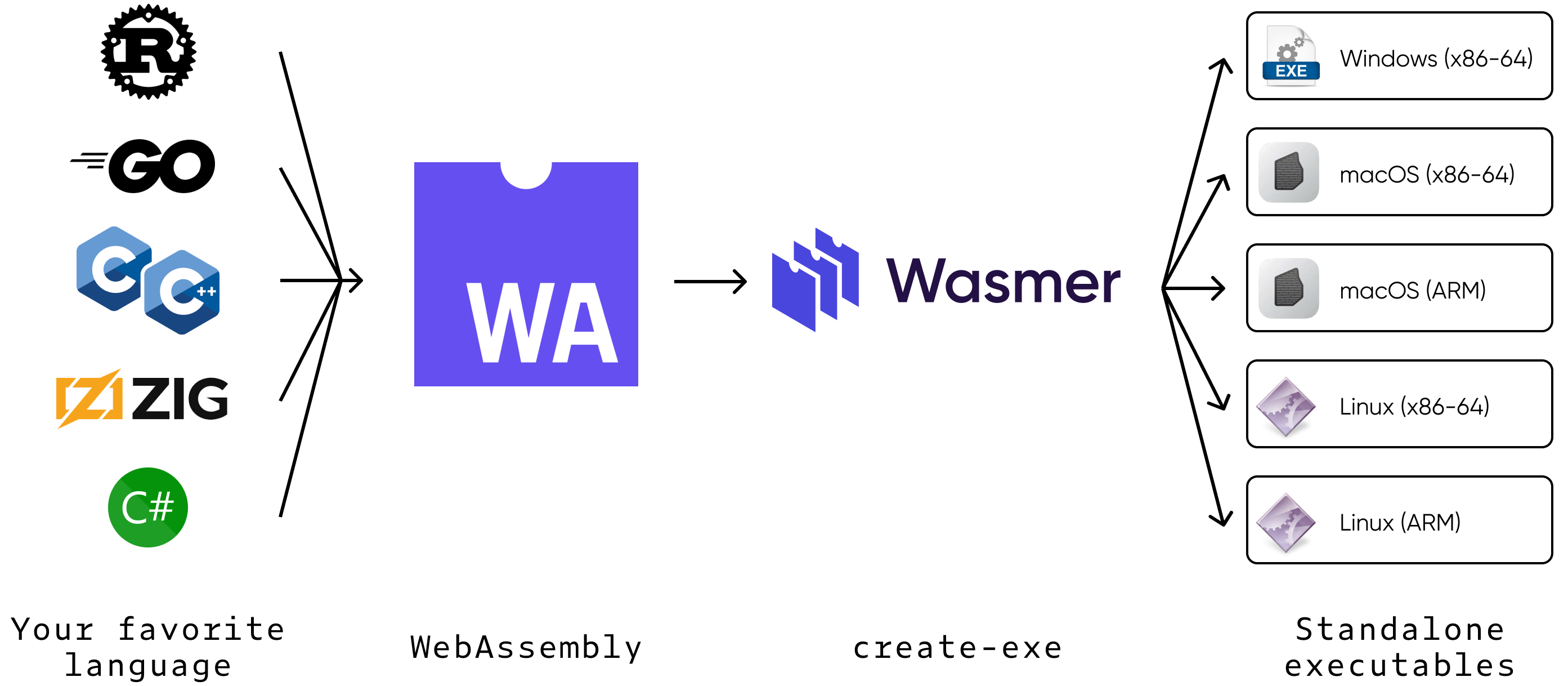
📸 WebAssembly as a Universal Binary Format (Part I: Native ...
Key WebAssembly Updates for 2025–2026
📸 Feature Status - WebAssembly
1. Complete Cross-Browser Support with Safari
The biggest barrier to Wasm adoption until 2025 was Safari's lack of support for certain features. With the addition of Exception Handling (exnref) in Safari 18.4, stable exception handling is now possible across Chrome, Firefox, and Safari. Additionally, starting with Safari 26.2, JavaScript String Builtins have been introduced, enabling JavaScript string functions to be called directly from WebAssembly modules without separately writing 'glue code' as before. This leads to reduced module size and improved performance.
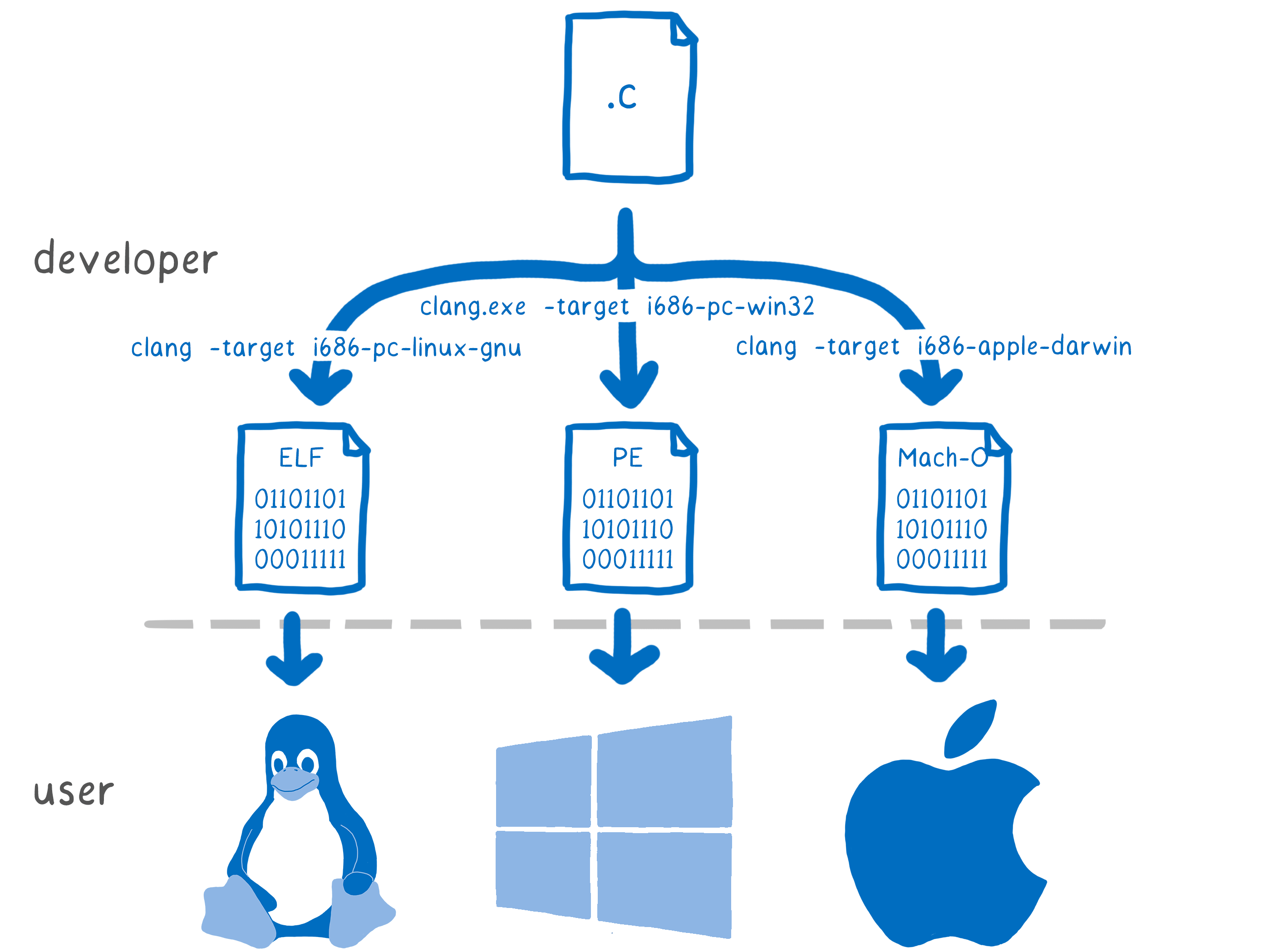
📸 Standardizing WASI: A system interface to run WebAssembly ...
2. WASI (WebAssembly System Interface) Maturation
WASI is a standard interface that allows Wasm to run outside the browser as well. By 2026, with the stabilization of WASI Preview 2, file system access, network sockets, and environment variable access are provided in a standardized manner. This is making the "Write Once, Run Anywhere" vision a reality, enabling the same binary to run on server-side Wasm, edge computing, and IoT devices.
3. Garbage Collection (GC) Proposal Standardization
Traditional Wasm required manual memory management, making it difficult to compile code written in languages like Java, Kotlin, and Swift. By 2026, the GC Proposal is stably supported across all major browsers, and Kotlin/Wasm and Dart/Flutter Web are leveraging this to generate smaller and faster bundles.
Real-World WebAssembly Use Cases
🎮 Gaming and 3D Graphics
Unity and Unreal Engine run high-quality 3D games in the browser through Wasm. When combined with WebGPU, GPU-accelerated rendering becomes possible. Figma also writes its core rendering engine in C++ and compiles it to Wasm, providing responsiveness in the web that matches native apps.
🎬 Media Processing
ffmpeg.wasm, which compiles FFmpeg to Wasm, enables direct video conversion, trimming, and subtitle insertion in the browser without a server. Adobe Photoshop Web also implemented its web version by porting its C++ codebase to Wasm.
🤖 AI/ML Inference
TensorFlow.js, ONNX Runtime Web, and others are significantly improving in-browser AI inference performance through Wasm backends. With WASM SIMD (Single Instruction Multiple Data) support, vector operation speeds are dramatically improved, enabling small models to run directly on the client without a server.
🔐 Security and Encryption
Verified C encryption libraries like OpenSSL and libsodium are compiled to Wasm and used in the browser. Since they run in a sandboxed environment, they are safer and faster than traditional JavaScript encryption code.
WebAssembly vs JavaScript: When to Use Which?
| Scenario | Recommended |
|---|---|
| DOM manipulation, event handling | JavaScript |
| Numeric computation, image/audio processing | WebAssembly |
| Porting existing C/C++/Rust libraries | WebAssembly |
| General business logic, API communication | JavaScript/TypeScript |
| Game engines, physics simulation | WebAssembly |
Wasm is not a replacement for JavaScript but a complementary technology. The most effective approach is a hybrid one: use Wasm only for performance-critical core logic, and handle everything else with JavaScript.
Getting Started with WebAssembly in Rust — Simple Example
# 1. Install wasm-pack
cargo install wasm-pack

# 2. Create project
cargo new --lib hello-wasm
cd hello-wasm

# 3. Add wasm-bindgen to Cargo.toml
# [lib]
# crate-type = ["cdylib"]
# [dependencies]
# wasm-bindgen = "0.2"

# 4. Write src/lib.rs
# use wasm_bindgen::prelude::*;
# #[wasm_bindgen]
# pub fn greet(name: &str) -> String {
#     format!("Hello, {}!", name)
# }

# 5. Build
wasm-pack build --target web
You can immediately use the generated .wasm file and JS bindings from the build by importing them into your web project.
2026 WebAssembly Roadmap Outlook
- Multi-Memory: Manage multiple memory instances within a single module
- Shared Memory + Atomics: Enhanced multi-threading support for improved parallel processing performance
- Tail Call Optimization: Improved compilation efficiency for functional languages
- Component Model: Standardized interoperability between Wasm modules written in different languages
- WASI P2 GA: Server-side Wasm production-ready
Conclusion: WebAssembly — No Longer Optional, But Essential
WebAssembly was once considered a "future technology," but by 2026 it has already established itself as a core foundation for major web applications like Figma, Adobe, and Google Maps. With complete cross-browser support and matured tooling, learning Wasm is no longer optional for developers building high-performance web applications. Even if you don't know Rust or C++, you can start with AssemblyScript (TypeScript syntax), so make sure to give it a try this year!
댓글
댓글 쓰기