Next.js vs Astro vs SvelteKit vs Nuxt Complete Comparison Guide 2026 - How to Choose the Best Framework by Project
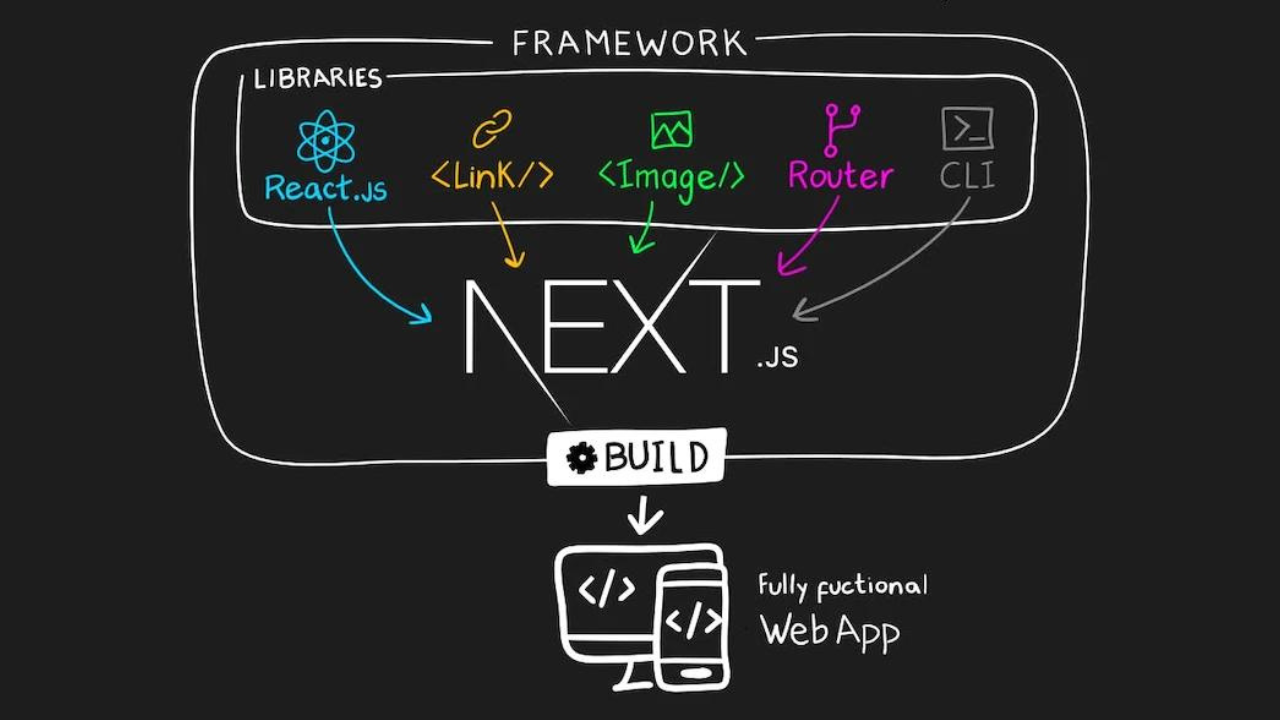
📸 Why Choose Next.js Over React? - KITRUM
2026 Frontend Framework Battle: Next.js vs Astro vs SvelteKit vs Nuxt
In 2026, the frontend ecosystem is more vibrant than ever. Meta-frameworks like Next.js, Astro, SvelteKit, and Nuxt are carving out their unique domains and competing fiercely. Developers now face the critical decision of choosing the right framework for each project. This guide compares the core strengths and weaknesses of each and reveals the optimal choice based on project type.

📸 Next.js 16: What's New for Authentication and Authorization
🏆 2026 Meta-Framework Ecosystem Overview
A meta-framework is a full-stack solution built on top of UI libraries like React, Vue, or Svelte, adding routing, server-side rendering, and build optimizations. As of 2026, the main contenders are:
- Next.js 15: React-based, developed by Vercel, with the broadest ecosystem
- Astro 5: Island architecture, minimal JavaScript, content-first design
- SvelteKit 2: Built on Svelte, compile-time optimization, minimal bundling
- Nuxt 4: Vue-based, edge deployment optimized, layered architecture

📸 Next.js 15 | Next.js
⚡ Next.js 15 – Still the King of Ecosystems
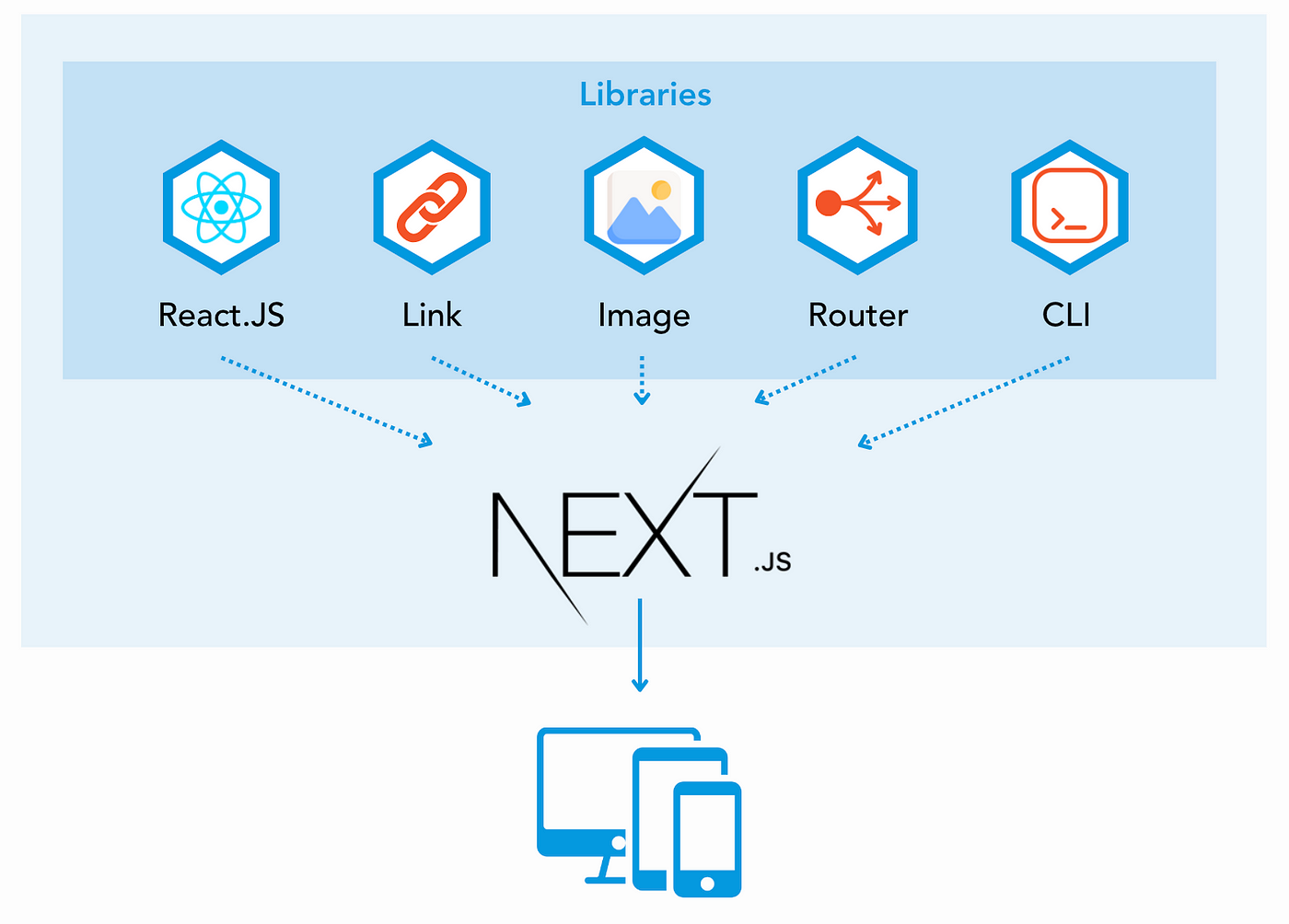
📸 Getting Started with Next.js: A Beginner's Guide | by ...
Key Features
Next.js remains the de facto standard meta-framework for the React ecosystem in 2026. With the App Router now stable, powerful features like server components, streaming, and parallel routes are fully production-ready.
- Partial Prerendering (PPR): Seamlessly blends static and dynamic content on the same page
- Stable Turbopack: Up to 10x faster builds compared to Webpack
- Server Actions: Unified data mutation without clear client-server boundaries
- Image/Font Optimization: Automatic WebP conversion, improved Core Web Vitals
When to Choose It?
Ideal for large-scale SaaS apps, e-commerce platforms, and services with complex authentication flows. It's also the environment where React developers can achieve maximum productivity quickly.
// Next.js 15 Server Component Example
async function BlogPosts() {
  const posts = await fetch('/api/posts').then(r => r.json())
  return (
    <ul>
      {posts.map(post => (
        <li key={post.id}>{post.title}</li>
      ))}
    </ul>
  )
}
🚀 Astro 5 – The King of Content-Centric Sites
The Evolution of Island Architecture
Astro’s island architecture has become one of the most innovative web development patterns in 2026. It sends most of the page as static HTML and selectively hydrates only interactive components (islands), minimizing JavaScript execution.
- Content Collections v3: Type-safe content management with full MDX support
- Server Islands: Embed dynamic server components directly into static pages
- View Transitions API: SPA-like smooth navigation in an MPA architecture
- Zero JS by Default: Zero KB of default JavaScript bundle
Performance Benchmarks
On equivalent blog sites, Astro reduces JavaScript bundle size by over 80% compared to Next.js, consistently achieving perfect 100/100 Lighthouse scores. For content-heavy sites, Astro is simply unmatched.
🎯 SvelteKit 2 – Innovating Developer Experience
The Magic of Compile-Time Optimization
Svelte eliminates the virtual DOM by compiling to optimized vanilla JavaScript at build time. SvelteKit 2 leverages this to deliver a seamless full-stack development experience.
- Svelte 5 Runes: $state, $derived, $effect – a new way to define reactivity
- Snapshots: Automatically preserves form states during navigation
- Form Actions: Progressive form handling without JavaScript
- Minimal Bundle Size: Client bundles 40% smaller than React
When to Choose It?
Perfect for mid-sized apps where both performance and developer experience matter. Excels in interactive dashboards and real-time data visualization.
🌐 Nuxt 4 – The Vue Ecosystem Powerhouse
Edge-First Architecture
Nuxt 4 runs on the Nitro engine, enabling deployment to edge platforms like Cloudflare Workers, Vercel Edge, and Deno Deploy. It shines in multi-brand or global site deployments.
- Layers System: Reusable architecture through project layering
- Nuxt DevTools: Visual routing, module inspector, and performance insights
- Auto-imports: Components and composable functions auto-imported for faster development
- 35% Faster TTFB: Significant improvement over Nuxt 2
📊 Framework Comparison Summary
| Criteria | Next.js 15 | Astro 5 | SvelteKit 2 | Nuxt 4 |
|---|---|---|---|---|
| Base Library | React | Framework-Agnostic | Svelte | Vue |
| Bundle Size | Medium | Smallest | Small | Medium |
| Learning Curve | Medium | Low | Low | Medium |
| Ecosystem Size | Largest | Growing | Medium | Medium |
| Content Sites | Good | Excellent | Good | Good |
| SaaS/Apps | Excellent | Fair | Good | Good |
🎯 Project-Based Framework Selection Guide
Blog / Documentation Site → Astro 5
For content-first sites, Astro dominates. With excellent Markdown and MDX support and near-zero JavaScript output, it delivers best-in-class SEO and performance.
Large SaaS / E-commerce Platform → Next.js 15
For complex business logic, rich third-party integrations, and large team collaboration, Next.js is the go-to choice. Its vast ecosystem and extensive community resources provide unmatched support.
Interactive Dashboard → SvelteKit 2
When you need real-time data and rich user interactions, SvelteKit shines. It delivers maximum reactivity with minimal JavaScript overhead.
Vue Teams / Multi-Site Management → Nuxt 4
If your team uses Vue or manages multiple brand sites, Nuxt's Layers system becomes a game-changer, enabling modular, reusable, and scalable architecture.
🔮 2026 Outlook: Hybrid Rendering is the New Standard
The defining trend of 2026 is hybrid rendering. The ability to mix static generation (SSG), server-side rendering (SSR), incremental static regeneration (ISR), and client-side rendering (CSR) within a single app—on a per-page basis—has become standard. All four frameworks are converging toward this model, meaning the final decision comes down to your team’s tech stack and project requirements.
Regardless of choice, the key challenges in 2026 web development remain: Core Web Vitals optimization, accessibility, and integration with AI tools.
댓글
댓글 쓰기