WebAssembly (WASM) Complete Guide 2026 - Browser AI Inference, Edge Computing, and the WASI 2.0 Revolution

📸 Understanding Web Assembly Architecture | by Batuhan Sancak ...
What is WebAssembly (WASM)? Why It's Getting Attention Again in 2026
WebAssembly (WASM) has steadily evolved since becoming an official W3C standard in 2019. But in 2026, it's experiencing renewed interest from developers due to explosive demand in AI inference, edge computing, and serverless environments. In particular, the era of running LLMs (large language models) directly in the browser has fundamentally expanded the role of WASM.
In this article, we'll walk through everything from the fundamentals of WebAssembly to the latest real-world use cases in 2026—structured for practical, hands-on learning.
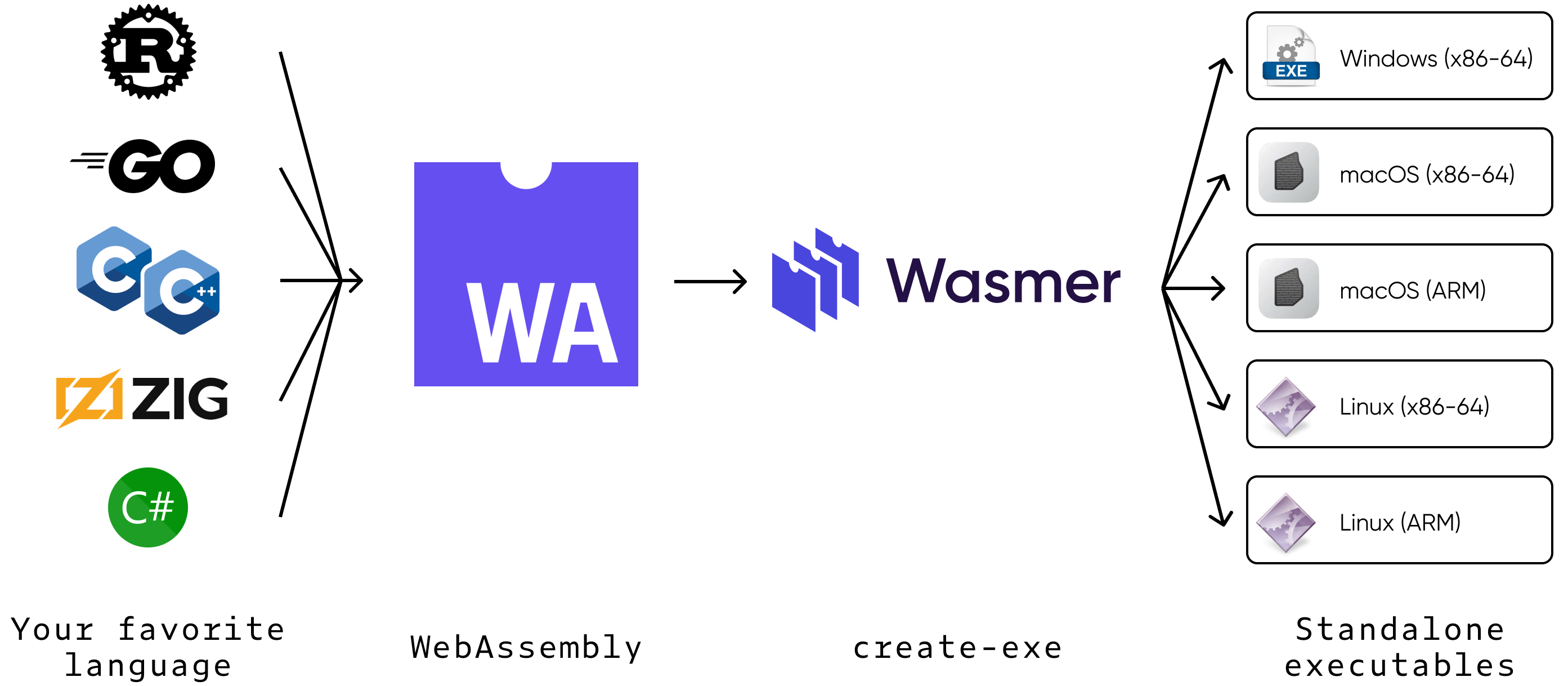
📸 WebAssembly as a Universal Binary Format (Part I: Native ...
WebAssembly Fundamentals: Quick Overview
WASM is a low-level binary instruction format (ISA). Code written in C, C++, Rust, Go, and other languages can be compiled to WASM and then run at near-native speed across browsers, servers, and edge environments.
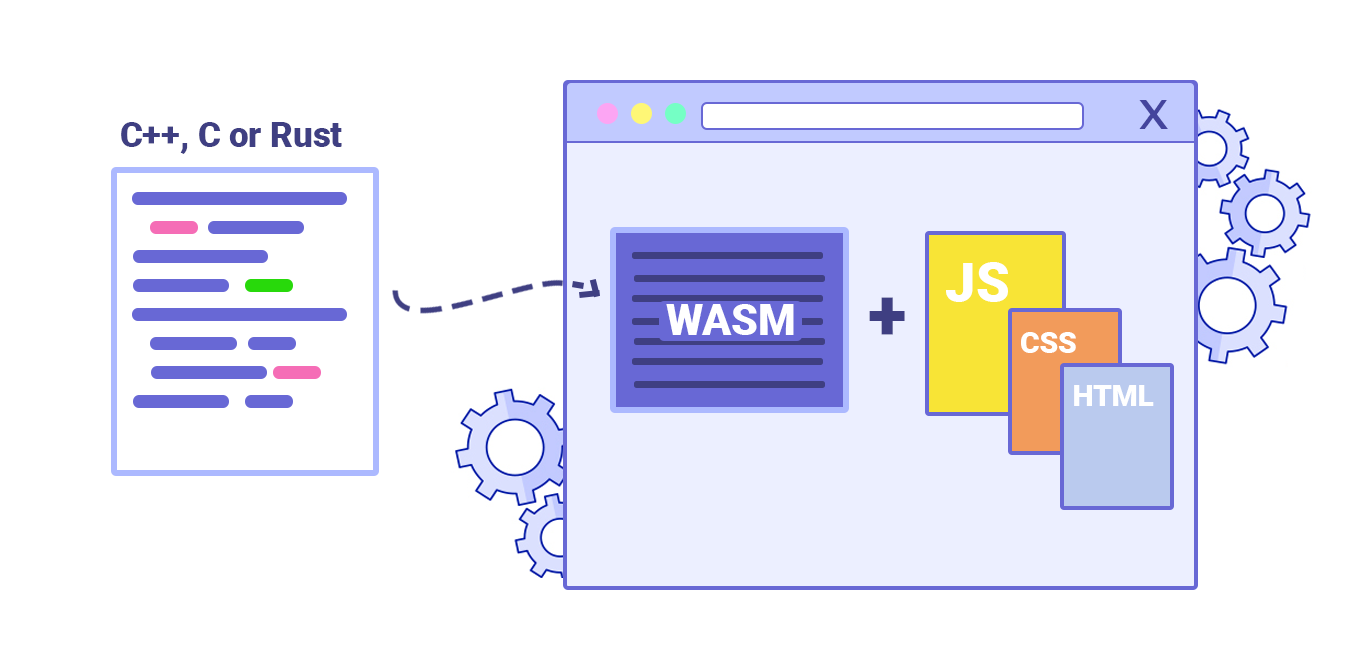
📸 WebAssembly: How and why - LogRocket Blog
WebAssembly vs. JavaScript: Key Differences
| Category | JavaScript | WebAssembly |
|---|---|---|
| Format | Text (source code) | Binary (compiled code) |
| Execution Speed | Fast after JIT optimization | Near-native speed without parsing |
| Languages | JavaScript/TypeScript only | C, C++, Rust, Go, and more |
| Memory | GC-managed automatically | Linear memory (manual developer control) |
| Main Use Cases | UI logic, DOM manipulation | High-performance computing, AI/ML, games, video processing |
📸 AI Workloads in Wasm: Lighter, Faster, Everywhere | by ...
WASM Trend 2026 #1: AI Inference in the Browser
The hottest application of WASM in 2026 is on-device AI inference directly in the browser. The combination of WebGPU and WASM now enables compact LLMs like LLaMA, Mistral, and Phi-3 to run natively in the browser.
Top Browser-Based AI Inference Frameworks
- WebLLM: Runs Llama, Gemma, and others in the browser via WebGPU + WASM, powered by Apache TVM
- Transformers.js: Executes Hugging Face models in-browser using a WASM backend (supports text, image, audio)
- ONNX Runtime Web: Runs ONNX format models using WASM + WebGPU inference
- MediaPipe WASM: Google’s on-device AI (face detection, pose estimation, etc.) powered by WASM
Advantages of On-Browser AI Inference
- Privacy: No data sent to remote servers
- Latency: Instant response without network round-trip
- Cost: Zero server API call expenses
- Offline: AI capabilities work even without internet
WASM Trend 2026 #2: WASI & Edge Computing
WASI (WebAssembly System Interface) is a standardized system interface that allows WASM to run outside the browser. By standardizing access to file I/O, networking, and sockets, WASM modules can now operate consistently across any OS.
WASI 2.0 Key Improvements (2026)
- Component Model: Standardizes cross-language interoperability (e.g., call Go WASM from Rust WASM)
- HTTP + Socket Support: Full networking in serverless environments
- WASI-NN: Standard API for neural network inference (running AI models on edge devices)
- 64-bit Memory: Expanded memory addressing for loading large AI models
Edge WASM Platform Comparison
- Cloudflare Workers: V8 Isolate-based but supports direct WASM execution; deployed across 300+ global Points of Presence
- Fastly Compute: WASI-powered edge computing with 0ms cold start
- Wasmer Edge: Edge platform optimized for Python and AI workloads
- Fermyon Spin: CNCF Sandbox project; a serverless WASM application framework
WASM Trend 2026 #3: Server-Side WASM (Alternative to Docker)
Solomon Hykes, the creator of Docker, famously said, "If WASM existed in 2008, I wouldn't have created Docker." In 2026, that prediction is becoming a reality.
Why WASM Outperforms Containers
- Startup Time: Docker container (hundreds of ms) vs. WASM (microseconds)
- Size: Docker image (hundreds of MB) vs. WASM module (KB to a few MB)
- Security: WASM sandbox inherently blocks access to the host system
- Portability: Compile once, run anywhere—architecture agnostic
# Deploy a serverless WASM app using Fermyon Spin
spin new --template http-rust my-wasm-api
cd my-wasm-api
spin build && spin deploy

# Rust → WASM → Deployed at the edge
# Cold start: ~0ms, Bundle size: ~200KB
Rust + WASM: The Ultimate Combo
In the WASM ecosystem, Rust is the de facto top choice. Its ability to manage memory safely—without a garbage collector—makes it a perfect match for WASM.
Key Rust-to-WASM Tools
- wasm-pack: Compiles Rust to WASM and auto-generates JS bindings
- wasm-bindgen: Enables type-safe interfaces between Rust and JavaScript
- Leptos / Yew: Frontend frameworks for building WASM-powered UIs in Rust
- web-sys / js-sys: Access browser Web APIs from Rust
// Rust + WASM: Grayscale image processing example
use wasm_bindgen::prelude::*;

#[wasm_bindgen]
pub fn grayscale(pixels: &[u8]) -> Vec<u8> {
    pixels.chunks(4).flat_map(|rgba| {
        let gray = (0.299 * rgba[0] as f32
                  + 0.587 * rgba[1] as f32
                  + 0.114 * rgba[2] as f32) as u8;
        [gray, gray, gray, rgba[3]]
    }).collect()
}
Real-World Adoption Guide for WASM
When Should You Use WASM?
- ✅ Image and video processing, audio editing
- ✅ In-browser AI and ML inference
- ✅ High-performance numerical computing (simulations, cryptography)
- ✅ Game engines, 3D rendering
- ✅ Heavy file operations (PDF generation/parsing)
- ❌ Simple DOM manipulation or form handling → Stick to JavaScript
Getting Started: Vite + WASM Setup
# vite.config.ts
import wasm from 'vite-plugin-wasm';
import topLevelAwait from 'vite-plugin-top-level-await';

export default {
  plugins: [wasm(), topLevelAwait()],
};

// Usage example
import init, { grayscale } from './pkg/image_processor';

const wasm = await init();
const result = grayscale(pixelData);
Conclusion: The Future of WebAssembly in 2026
WebAssembly is no longer just a niche technology for high-performance use cases. As it expands into AI inference, edge computing, and serverless runtimes, WASM is becoming the next foundational layer of the web. With the full realization of WASI 2.0 and the Component Model, true cross-platform and cross-language portability is within reach. Now is the perfect time to learn and adopt WebAssembly.
댓글
댓글 쓰기