Alright, let's cut to the chase. You're a developer. You probably live and breathe React, Node.js, Python, and Git. And honestly, fair play – these are phenomenal tools that underpin a massive chunk of the modern web and software ecosystem. But here’s the thing: focusing solely on the giants means you might be missing out on some seriously innovative, game-changing projects bubbling just beneath the surface.
Think about it. The open-source world is a massive, vibrant ocean. While the whales like Kubernetes and TensorFlow get all the headlines, there's a whole ecosystem of incredible, agile, and often surprisingly powerful smaller fish doing unique things, solving niche problems, or even challenging established paradigms. Ignoring them isn't just about missing out on a cool new tool; it's about missing opportunities to innovate faster, improve your workflows, and frankly, just broaden your perspective as a developer.
In this post, we're not going to rehash the benefits of contributing to your favorite framework. Instead, we're diving into some truly impactful, lesser-known, or rapidly emerging open-source projects that have been making waves in recent discussions (like those I've seen pop up on GitHub's open source blog or deep dives on Reddit's r/opensource). These aren't just curiosities; they're tools that could genuinely level up your next project or even spark a new career direction. Let's dig in.
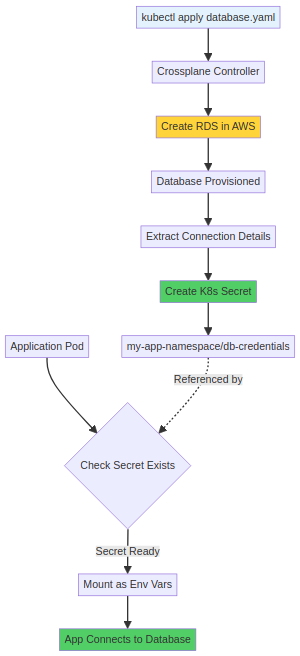
📸 Reimagining Infrastructure as Code: From Terraform to ...
Reimagining the Backend & Infrastructure Layer
The backend often feels like a settled landscape, right? Databases, APIs, servers – rinse and repeat. But there are some clever folks out there building tools that either streamline this process dramatically or offer radically different approaches to what's possible.
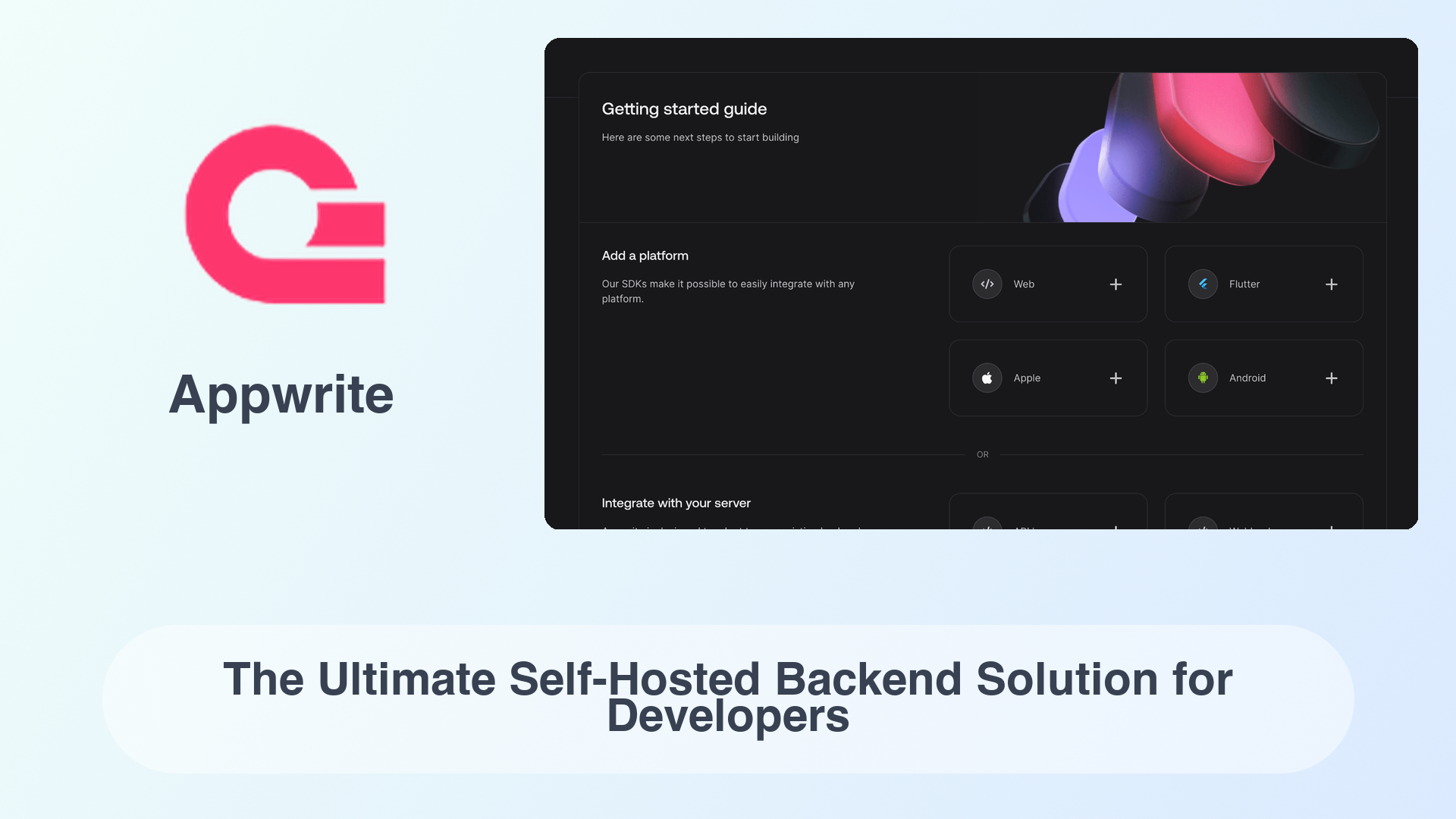
📸 Appwrite: The Ultimate Self-Hosted Backend Solution for ...
1. Appwrite: Your Self-Hosted Backend Powerhouse
Ever felt the pain of setting up a backend for a new project? Authentication, database, storage, functions – it's a lot of boilerplate. That's where Appwrite shines. It's an open-source backend-as-a-service (BaaS) platform that gives you all those core functionalities out of the box. Think Firebase, but completely self-hosted and open source.
The beauty of Appwrite isn't just that it saves you time; it gives you control. You can deploy it on your own infrastructure, ensuring data sovereignty and flexibility that proprietary BaaS solutions often can't match. For indie hackers, startups, or teams looking to move fast without getting locked into a vendor, Appwrite is a godsend. It's been gaining serious traction, even getting a nod in GitHub's influential projects list, and for good reason.

📸 Bun | The all-in-one JavaScript runtime | by Vishnu Sivan ...
2. Bun: The JavaScript Runtime That's Here to Disrupt
Node.js has been the undisputed king of server-side JavaScript for ages. Then Deno arrived, promising a safer, more modern alternative. Now, there's Bun, and honestly, it feels like it's taking the JS world by storm. Built on Zig (yes, Zig!), Bun isn't just a runtime; it's an all-in-one toolkit that includes a bundler, a test runner, and a package manager – all designed for blistering speed.
I mean, seriously, the performance claims are wild. Installing dependencies with bun install often feels instantaneous compared to npm or yarn. It's still relatively new (v1.0 was just last year, September 2023), but its compatibility with Node.js APIs and existing npm packages makes it incredibly easy to try out. If you're building anything with JavaScript, you owe it to yourself to at least kick the tires on Bun. The developer experience is genuinely delightful.
# Install dependencies with Bun (often much faster than npm/yarn)
bun install

# Run a script
bun run start

# Run a test file
bun test my.test.ts
📸 10 Hidden Gems Every Developer Should Have in Their Toolkit ...
Elevating Developer Experience & Web Interaction
We're always looking for ways to make our lives easier as developers and to build more engaging experiences for users. These next few projects are tackling those challenges head-on, often with a fresh perspective.
3. htmx: HTML Over The Wire? You Betcha.
For years, the web development world has been obsessed with Single Page Applications (SPAs) and complex JavaScript frameworks. And while React, Vue, and Angular are powerful, they come with significant complexity, build steps, and often, larger bundles. Enter htmx. This tiny JavaScript library lets you access AJAX, CSS Transitions, WebSockets, and Server Sent Events directly in HTML, using attributes. No complex JavaScript needed for many dynamic interactions.
It's a radical departure, a bit like a throwback to the simpler days of web development, but with modern capabilities. Instead of sending JSON and rendering components on the client, htmx encourages sending HTML fragments from the server. This can dramatically simplify your frontend stack, reduce JavaScript overhead, and often lead to a snappier user experience because the browser is just doing what it's best at: rendering HTML. It's not for every project, but for many, it's a breath of fresh air.
<button hx-post=\"/clicked\" hx-swap=\"outerHTML\">\n Click Me\n</button>\nThis simple button, when clicked, will make a POST request to /clicked, and then swap the entire button element with the HTML response from the server. Elegant, right?
4. Zulip: The Open Source Team Chat That Gets Things Done
We all use team chat. Slack, Microsoft Teams, Discord... they're ubiquitous. But how many times have you lost a crucial conversation in an endless scroll? Zulip, another project highlighted by GitHub, tackles this head-on with its unique topic-based threading model. It feels like the best parts of email (structured conversations) combined with the immediacy of chat.
Every message in Zulip has a topic, making it incredibly easy to follow multiple discussions without things getting muddled. It's fantastic for open-source projects, large teams, or anyone who values clarity and searchability in their communications. Plus, being open source, you can self-host it, giving you full control over your data and environment. If you're tired of chat chaos, Zulip is definitely worth a look.
The Future is Private, Local, and Distributed
As data privacy becomes paramount and the desire for more control over our tools grows, a new wave of open-source projects is emerging to meet these demands.
5. Plausible Analytics: Ethical Insights, No Cookies Required
Google Analytics is powerful, but it's also a privacy nightmare for many and can be a pain to comply with regulations like GDPR. Plausible Analytics offers a refreshingly simple, open-source, and privacy-friendly alternative. It's lightweight, collects only essential data, and doesn't use cookies or track personal identifiable information (PII).
This means you get valuable insights into your website traffic without compromising your users' privacy or wading through complex consent banners. You can self-host it, or use their hosted service. For anyone building a website or app in 2024 and beyond, prioritizing user trust is non-negotiable, and Plausible makes it genuinely easy to do the right thing.
6. Ollama: Bringing LLMs Home, Literally
Large Language Models (LLMs) are everywhere, but running them locally often felt like a dark art, requiring complex setups and specific hardware. Ollama changes that. It's a fantastic open-source project that makes it incredibly easy to run powerful LLMs like Llama 2, Mistral, and more, right on your own machine (or server).
With a simple command, you can download and run models, then interact with them via a clean API. This opens up a world of possibilities for local development, privacy-focused applications, or just experimenting without cloud costs. It's democratizing access to cutting-edge AI, and for developers, that's a huge win. The community around it is growing fast, constantly adding new models and features.
# Download and run a model (e.g., Llama 2)\nollama run llama2\n\n# Interact with it via cURL\ncurl http://localhost:11434/api/generate -d '{\n \"model\": \"llama2\",\n \"prompt\": \"Why is the sky blue?\"\n}'\n7. WasmEdge: WebAssembly Beyond the Browser
WebAssembly (Wasm) started as a way to run high-performance code in browsers. But its potential extends far beyond that. WasmEdge is an open-source WebAssembly runtime designed for cloud-native, edge, and decentralized applications. Think incredibly fast, secure, and portable server-side functions, microservices, and even AI inference.
Why does this matter? WasmEdge offers near-native performance, a tiny memory footprint, and a strong security sandbox, making it ideal for serverless functions that start up almost instantly. It's language-agnostic, meaning you can write your functions in Rust, Go, C/C++, or even JavaScript and Python (via extensions), compile them to Wasm, and run them anywhere WasmEdge is deployed. This is a foundational technology that's quietly building the next generation of cloud computing.
What I Actually Think About This
Look, I get it. The mainstream frameworks are popular for a reason. They have huge communities, tons of tutorials, and well-trodden paths. Sticking with them is often the safest bet, especially when deadlines are looming. But honestly, that's also where innovation can stagnate, and you risk becoming just another cog in a very large machine.
What excites me about these \"hidden gems\" isn't just their technical prowess, but the philosophy behind them. They're often built by smaller, passionate teams solving problems that the big players either ignore or tackle with overly complex solutions. Exploring them forces you to think differently, to challenge assumptions, and to potentially find a better, more elegant way to do things. It's like finding a secret shortcut that shaves hours off your commute or discovering a new ingredient that elevates your cooking.
I'm not saying you should ditch your entire stack for htmx tomorrow or rewrite your backend in Appwrite overnight. That's just chasing shiny objects, and we've all been there, done that, got the T-shirt (probably for a framework that died a year later). But taking the time to understand why these projects exist, what problems they solve, and how they approach solutions? That's invaluable. It makes you a more versatile, more informed, and ultimately, a more impactful developer. It's how you stay ahead of the curve, rather than just riding it.
Plus, contributing to these smaller projects can be incredibly rewarding. Your pull requests and bug reports often have a much larger impact, and you get to interact directly with the core maintainers. It's a fantastic way to give back and learn a ton in the process.
Go Forth and Explore!
The open-source landscape is constantly evolving, and the projects we've discussed today are just a tiny snapshot of the incredible work being done out there. From streamlining your backend with Appwrite and Bun, to rethinking web interactions with htmx, enhancing team comms with Zulip, protecting privacy with Plausible, democratizing AI with Ollama, and pushing the boundaries of server-side compute with WasmEdge – there's a world of innovation waiting.
So, next time you're starting a new side project, or even just have a spare hour, resist the urge to reach for the usual suspects. Dive into one of these projects, or better yet, go find your own hidden gem. You might just discover the next big thing, or at least a tool that makes your development life a whole lot better. Happy exploring!
댓글
댓글 쓰기