
📸 Next.js 15 | Next.js
Next.js 15 — Why Upgrade Now?
Released in October 2024, Next.js 15 has established itself as the new standard for React full-stack development in 2026. Developed by Vercel, this meta-framework includes Turbopack official release, full React 19 integration, Partial Prerendering (PPR) experimental support, and async request APIs among its core improvements. If you're an existing Next.js 14 user, there are compelling reasons to upgrade right now.

📸 Next.js 15 is Officially Stable and Ready for Production!
Key Changes in Next.js 15
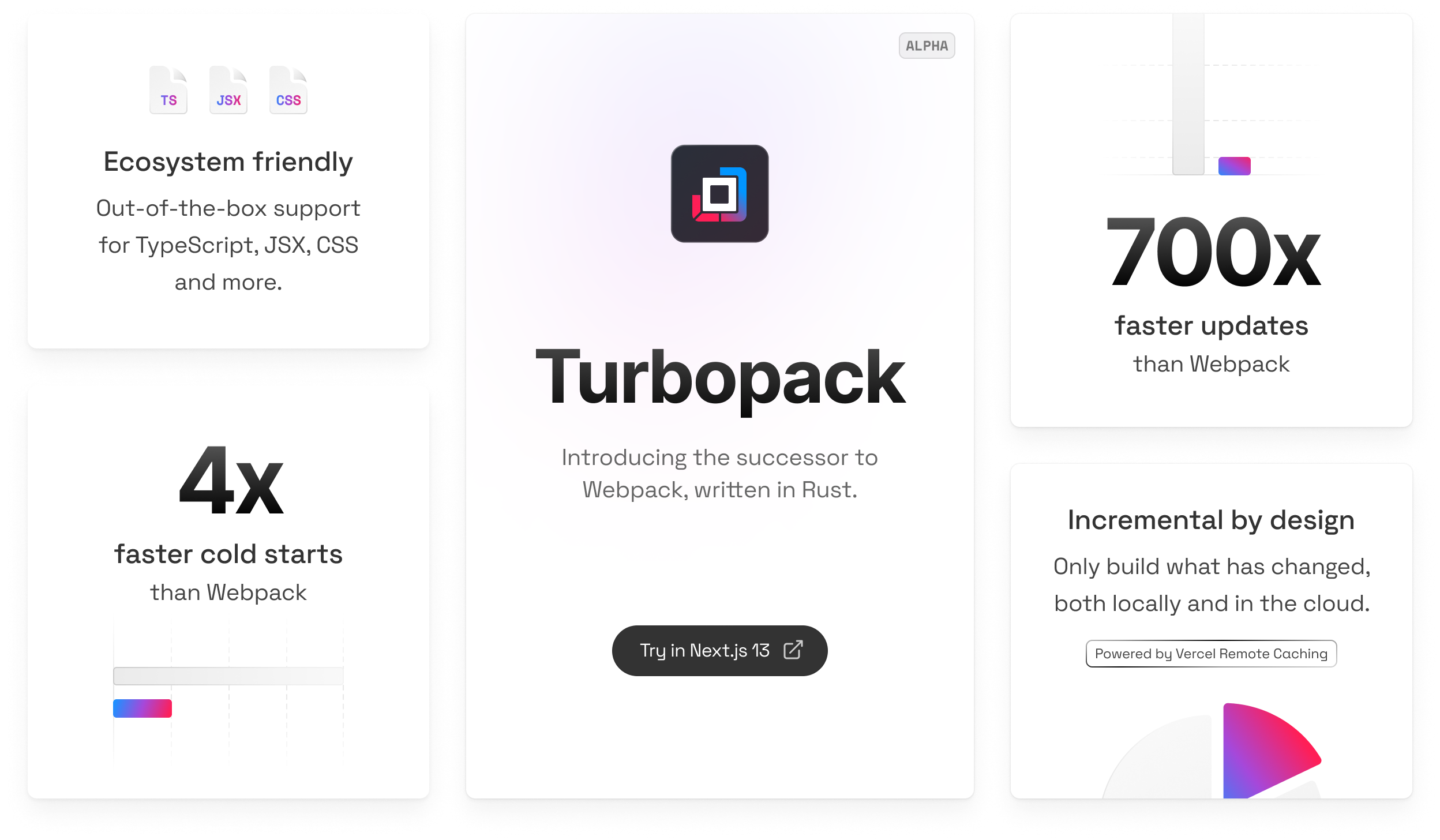
📸 Turbopack: High-performance bundler for React & TypeScript ...
1. Turbopack — Revolutionizing Dev Server Speed
The biggest change in Next.js 15 is that Turbopack has officially launched as a stable version for the development (dev) server. Written in Rust, Turbopack delivers remarkable performance improvements over the traditional Webpack:
- Local server startup time: Up to 76.7% faster
- Code update reflection speed: Up to 96.3% faster
- Battle-tested on large Next.js apps (vercel.com)
Ready to use without any configuration:
next dev --turbopack
# Or in package.json
"scripts": {
  "dev": "next dev --turbopack"
}
📸 React 19 vs Next.js 14: A Simple Comparison - DEV Community
2. Full React 19 Integration
Next.js 15 supports React 19 by default. You can immediately use React 19's major new features in the Next.js environment:
- React Compiler: Automatic optimization without useMemo or useCallback
- useActionState: Simplified form action state management
- useFormStatus: Track form submission status
- use() hook: Handle async contexts and promises
3. Async Request APIs (Breaking Change)
The most notable breaking change in Next.js 15 is that request-related APIs like cookies(), headers(), params, and searchParams have all changed to asynchronous (async):
// ❌ Next.js 14 approach
import { cookies } from 'next/headers';
const cookieStore = cookies();
const theme = cookieStore.get('theme');

// ✅ Next.js 15 approach
import { cookies } from 'next/headers';
const cookieStore = await cookies();
const theme = cookieStore.get('theme');
Migration codemod available:
npx @next/codemod@canary upgrade latest4. Partial Prerendering (PPR) — Experimental Feature
Partial Prerendering (PPR) is an innovative rendering strategy experimentally introduced in Next.js 15. It allows you to mix static and dynamic content within a single route:
- Immediately serve static parts of the page (header, layout) via CDN cache
- Stream dynamic parts (cart, user data) using Suspense
- Achieve the best UX and performance simultaneously
// next.config.ts
import type { NextConfig } from 'next';

const nextConfig: NextConfig = {
  experimental: {
    ppr: 'incremental',
  },
};
export default nextConfig;
5. Fetch Caching Behavior Changes (Important!)
Until Next.js 14, fetch was cached by default, but starting with Next.js 15, GET Route Handlers and Client Router Cache now default to no-store (no caching). This change aims for more predictable behavior:
// Explicitly control caching
fetch('/api/data', { cache: 'force-cache' }); // Use cache
fetch('/api/data', { cache: 'no-store' });     // No cache
fetch('/api/data', { next: { revalidate: 60 } }); // Revalidate every 60 seconds
Next.js 15 Migration Guide
Step-by-Step Upgrade
# 1. Upgrade packages
npm install next@latest react@latest react-dom@latest

# 2. Automatic code transformation (async API migration)
npx @next/codemod@canary upgrade latest

# 3. Check TypeScript configuration (next.config.ts support)
# Can convert next.config.js → next.config.ts
Key Checklist
- ☑ Change cookies(), headers() to use await
- ☑ Change params, searchParams to async Props
- ☑ Explicitly configure fetch cache strategy
- ☑ Verify React 19 compatibility (third-party libraries)
- ☑ Enable Turbopack (dev environment)
New Developer Experience in Next.js 15
Improved Error Messages
Next.js 15 has significantly improved the error overlay. When errors occur, it provides clearer explanations and solutions, making it easier to diagnose hydration mismatches during development.
TypeScript Configuration File Support
You can now use next.config.ts for improved type safety:
import type { NextConfig } from 'next';

const nextConfig: NextConfig = {
  // Type autocomplete supported!
  experimental: {
    ppr: 'incremental',
  },
};
export default nextConfig;
Next.js Ecosystem Status in 2026
Next.js 15 continues to firmly maintain its position as the most popular React full-stack framework in 2026. With Vercel's consistent updates and close collaboration with the React team, it's leading future web development trends including Server Components (RSC), streaming SSR, and AI integration.
AI coding tools (GitHub Copilot, Cursor, Claude Code) are also rapidly learning Next.js 15's new patterns, making the AI-assisted Next.js development experience more powerful than ever.
Conclusion
Next.js 15 is a powerful update that combines Turbopack's revolutionary speed, React 19's new features, and PPR's rendering flexibility. While there are breaking changes, migration is smooth with the provided codemods, and the benefits far outweigh the effort. If you haven't upgraded yet, start right now!
댓글
댓글 쓰기