
📸 Activovite Complete Caplets (Boxed) 30s - Activo Health
What is Vite 7? — Next-Generation Frontend Build Tool
In June 2025, Vite 7.0 was officially released. Five years after Evan You's first commit, Vite has now established itself as core infrastructure in the frontend ecosystem with 31 million weekly downloads. As of 2026, Vite 7.x is in stable use, and the next version Vite 8 beta is also in preparation. This article provides a complete guide to Vite 7's key changes and practical migration methods.
📸 Pharmacy Direct. Activovite Complete Caplets 30's
5 Key Changes in Vite 7

📸 How to Create a Express/Node + React Project with Vite | Node Backend + React Frontend
1. Node.js 20.19+ / 22.12+ Required
Starting with Vite 7, Node.js 18 support has been completely discontinued. This is because Node.js 18 reached EOL (End of Life) in April 2025. Now you need Node.js 20.19 or higher, or 22.12 or higher to use Vite 7.
# Check Node.js version
node --version

# Upgrade version using nvm
nvm install 22
nvm use 22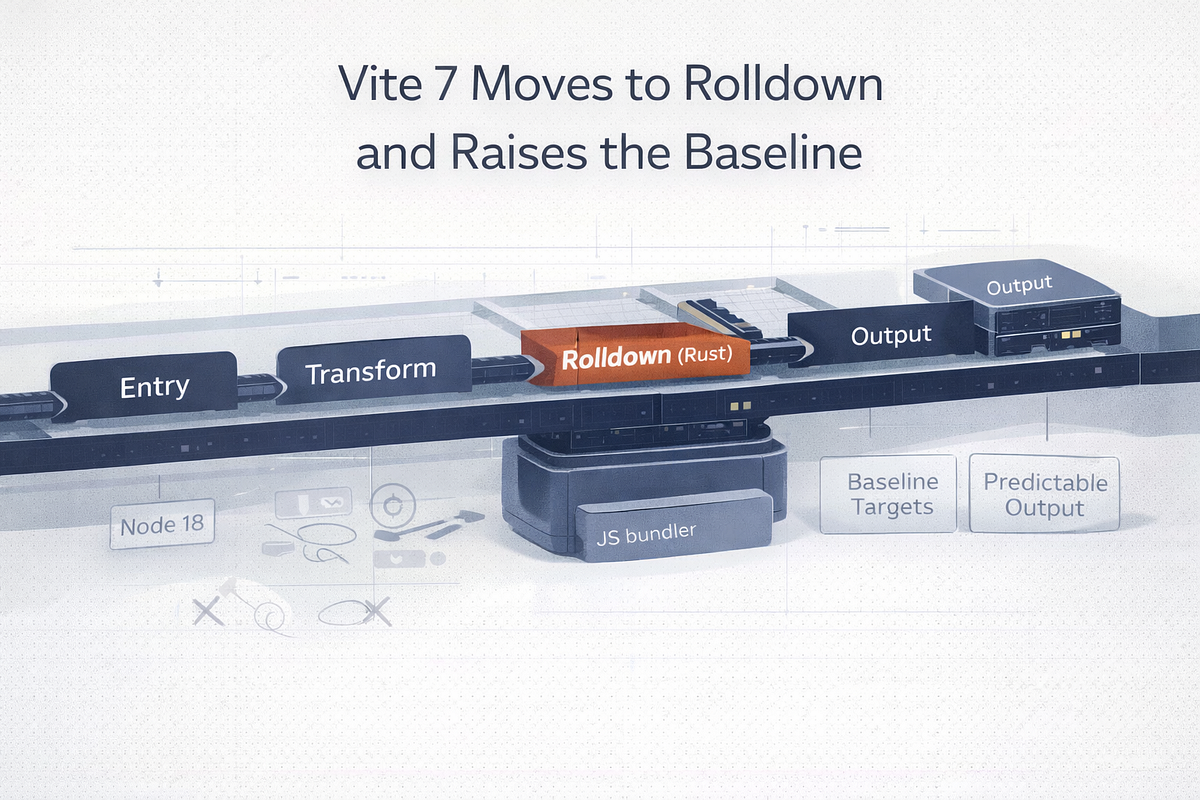
📸 Vite 7 Moves to Rolldown and Raises the Baseline | by Roman ...
2. Default Build Target: 'baseline-widely-available'
One of the most notable changes in Vite 7 is the change in default browser target. Instead of the previous 'modules', 'baseline-widely-available' is now set as the new default. This value is updated with every major release and reflects the minimum browser versions compatible with web features classified as "Baseline Widely Available." As a result, build outputs become more predictable and compliant with modern standards.
// vite.config.js
export default defineConfig({
  build: {
    // Vite 7 default - no need to specify explicitly
    target: 'baseline-widely-available'
    // Or set explicitly if legacy browser support is needed
    // target: ['chrome87', 'firefox78', 'safari14', 'edge88']
  }
})
3. Rolldown-Vite: Try Rust-Based Next-Gen Bundler Early
VoidZero team is developing Rolldown, a next-generation JavaScript bundler written in Rust. While it's scheduled to become the default bundler in Vite 8, you can already try it in Vite 7 environments through the rolldown-vite package.
# Install rolldown-vite (replaces vite)
npm install rolldown-vite

# Or set alias in package.json
{
  "dependencies": {
    "vite": "npm:rolldown-vite@latest"
  }
}
According to actual usage experiences, many report 50-70% reduction in build time for large projects. rolldown-vite serves as a complete drop-in replacement, maintaining compatibility with existing vite plugins.
4. Introduction of Vite DevTools
Through a partnership between VoidZero and NuxtLabs, Anthony Fu is developing Vite DevTools. It will provide deeper and more insightful debugging and analysis for all Vite-based projects and frameworks. As of 2026, a beta version is available, featuring bundle analysis, plugin timeline, module graph visualization, and more.
5. ViteConf 2025 in Amsterdam — Community Growth
In October 2025, the first offline ViteConf was held in Amsterdam. Co-hosted by JSWorld, Bolt, VoidZero, and the Vite Core Team, this event symbolizes the rapid growth of the Vite ecosystem. Major frameworks including React, Vue, Svelte, SolidJS, and Nuxt have all adopted Vite as shared infrastructure.
Vite 6 → Vite 7 Migration Guide
Step 1: Check and Upgrade Node.js Version
node --version # v20.19.0+ or v22.12.0+ requiredStep 2: Upgrade Vite Package
npm install vite@latest
# or
pnpm update vite@latest
# or
yarn upgrade vite@latest
Step 3: Review Build Target Settings
If you previously explicitly set target: 'modules' or target: 'es2015', compare it with Vite 7's new default 'baseline-widely-available' and adjust according to your project requirements. If you need to support legacy browsers (IE11, older Safari, etc.), use the @vitejs/plugin-legacy plugin.
Step 4: Check Plugin Compatibility
# Check major plugin updates
npm install @vitejs/plugin-react@latest
npm install @vitejs/plugin-vue@latest
npm install vite-plugin-svgr@latest
Vite 7 in Practice: Framework-Specific Configuration Examples
React + TypeScript Project
// vite.config.ts
import { defineConfig } from 'vite'
import react from '@vitejs/plugin-react'

export default defineConfig({
  plugins: [react()],
  build: {
    // Use Vite 7 default
    // target: 'baseline-widely-available'
    rollupOptions: {
      output: {
        manualChunks: {
          vendor: ['react', 'react-dom'],
        }
      }
    }
  },
  server: {
    port: 3000,
    hmr: { overlay: true }
  }
})
Try Vite 8 Beta Early
As of February 2026, the Vite 8 beta version has been released. The key change in Vite 8 is that Rolldown is fully integrated as the default bundler. You can experience it early in your test environment now.
npm install vite@beta

# Or specific beta version
npm install vite@8.0.0-beta.16
Vite Ecosystem Status 2026
Major tools and frameworks built on Vite include:
- Nuxt 3/4 — Vue.js full-stack framework
- SvelteKit — Svelte meta-framework
- Astro — Content-focused web framework
- Remix (Vite Plugin) — React full-stack framework
- Storybook 8 — UI component development tool
- Vitest — Vite-native unit testing framework
- vite.new — Create Vite projects instantly in browser
Performance Comparison: Vite 6 vs Vite 7 vs Rolldown-Vite
Based on community benchmarks (large project, approximately 1,000 modules):
- Vite 6 (esbuild/Rollup): Build 45s, HMR 180ms
- Vite 7 (default): Build 42s, HMR 160ms
- rolldown-vite (Rust bundler): Build 12s, HMR 80ms
Rolldown-based builds show dramatic performance improvements, especially for large projects.
Conclusion: Why You Should Upgrade to Vite 7 Now
Vite 7 offers compelling practical upgrade reasons including Node.js 18 support discontinuation, improved build targets, and early access to Rolldown. In particular, the build speed improvement through rolldown-vite has an immediate impact on development productivity. In the 2026 web development landscape, Vite has become a standard rather than a choice. Upgrade now and enjoy a faster development experience.
댓글
댓글 쓰기